
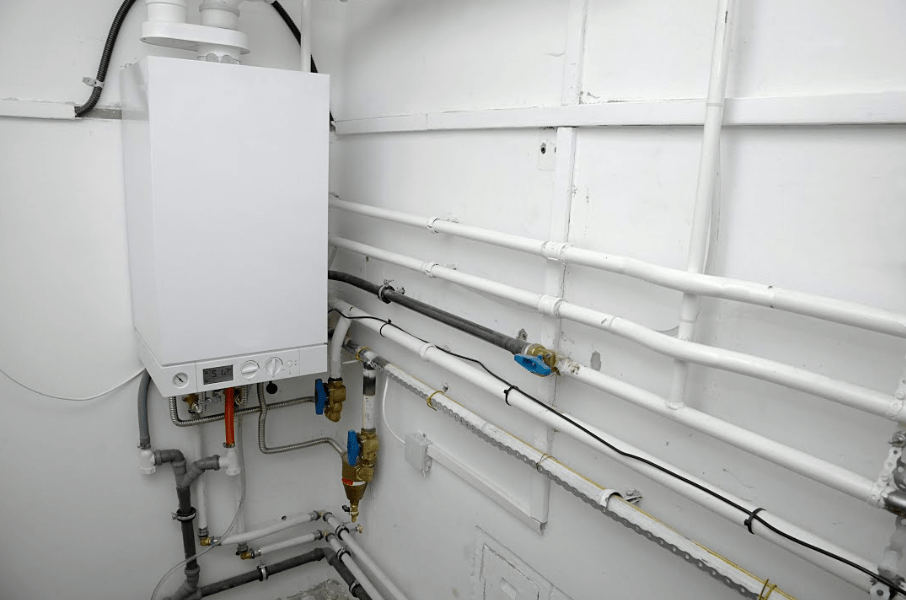
If you’re a Long Island homeowner who wants to put in a new boiler or replace an old one, there’s one very important question that often comes up:
“Do I need a permit to install a boiler?”
The short answer is: Yes — generally speaking, you do.
At Paradise Plumbing, we install boilers in all of Suffolk County, from Southampton to Easthampton, Shirley to Quogue. We always get your installation safe and efficient — but properly permitted and code-compliant. You may face some queries like:
- When you need a permit for boiler installation in Long Island
- Why it’s important
- What can happen if you do it without obtaining the permit
- When Is a Permit Required for Boiler Installation in Long Island?
In most towns and villages across Long Island, a permit is legally required for any new boiler installation or major boiler replacement. This applies to both residential and commercial properties. You typically need a permit if:
- You’re installing a brand-new boiler
- You’re replacing an old boiler with a new model
- You’re switching from oil to gas or gas to electricity
- You’re relocating the boiler to another area of the home
- You’re modifying fuel lines, flues, or venting systems
Why Are Permits So Important?
1. Safety First
Boilers have high pressure, fuel combustion, and carbon monoxide to deal with. Not examining it during installation or modification of one can led to making serious errors, including:
- Leaks in the gas
- Electrical breakdown
- Fire hazard
- Carbon monoxide poisoning
Permits ensure that the installation is done in accordance with national and local safety codes.
2. Code Compliance
Long Island towns have strict building and plumbing codes. Permits ensure your installation meets:
- Local fuel and gas pipe codes
- Venting and flue requirements
- Combustion safety practices
- Structural support codes (if relocating equipment)
If your system is not code, you can be fined, have inspections fail, or need to have the boiler removed later at your expense.
3. Insurance & Resale
Homeowners insurance may deny claims for unpermitted work — especially if an faulty boiler results in water or fire damage. Similarly, selling your property can be prevented or decrease your home’s value if there is unpermitted boiler work.
What Happens If You Don’t Get a Permit?
Avoiding the permit to save time or money might sound appealing — but it is perilous.
- Penalties may include:
- Fines levied by the town or stop-work orders
- Required boiler removal and reinstallation
- Voided equipment warranties
- Dangerous operation or malfunction
And most towns throughout Long Island conduct random inspections or require heating system documentation in home appraisals, resale, or applications for other work.
Common Boiler Permit Issues
- “Do I need a permit even when I’m replacing a current boiler of similar type?”
Yes, in most Long Island towns, even like-for-like replacement requires a permit due to new codes and safety checks.
- “How long will it take to get a boiler permit?”
It typically takes 1–5 business days, depending on your town. We make this process go faster by having everything ready promptly and accurately.
- “Will someone check the boiler later?”
Yes. We sometimes have a town inspector stop by afterwards to ensure the work is code compliant. We coordinate and participate in these inspections to make the process go smoothly.
Let’s Get You Legal — and Warm
Don’t let permits slow you down or compromise your safety. When you choose Paradise Plumbing for your Suffolk County boiler installation, you choose a company that does everything from quote to inspection.
- Need a permit? We do.
- Do you need a new boiler? We will safely install it.
- Need heat this winter? We’ve got it covered.
Contact now to book your appointment at Paradise Plumbing and we will help you get what you need!